
Unblocking Drains: When To Call a Plumber
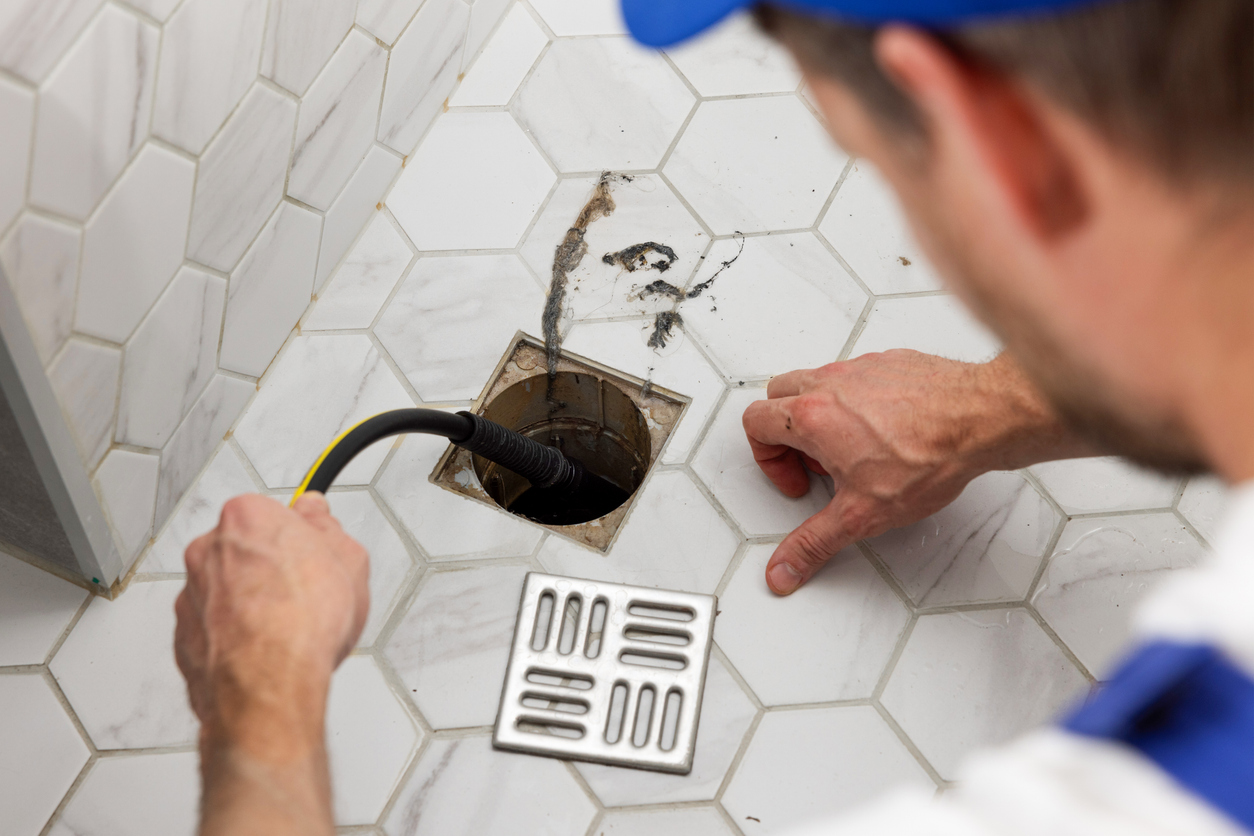
A blocked drain is one of those problems every homeowner thinks they can fix on their own. And in some cases, they’re right. Simple drain unblocking can often be handled with basic tools and a little patience.
But not every blockage is created equal.
Knowing when to try DIY methods and when to call a professional plumber can save you time, and money. And not to mention, serious damage to your plumbing system. Let’s go over some DIY methods for unblocking drains and when it’s time to pick up the phone to call a plumber.
Common Signs Your Drain Needs Unblocking
Before jumping into solutions, it’s important to recognize the early signs of a blocked drain.
You might notice:
- Slow draining water in your kitchen sink or bathroom drain
- Standing water that doesn’t go away
- Unpleasant odor coming from the drain
- Gurgling sounds in your pipes
- Water backing up into sinks, tubs, or even an overflow
These signs usually point to a buildup inside your pipe, often caused by grease, hair, soap scum, or food waste.
If ignored, a small clog can turn into a severe blockage affecting your entire drainage system.
DIY Drain Unblocking Methods That Actually Work
Yes, you can often unclog a drain yourself, especially if the issue is minor. The key is using the right approach.
1. Boiling Water Method
One of the simplest solutions is boiling water.
Pour hot water slowly down the drain to help dissolve grease and minor buildup. This works best in kitchen drains where grease is the main issue. Huge warning, though: Do not do this with PVC, PEX, or ABS plastic pipes. The boiling water could melt or warp the pipes and cause even more damage. You wouldn’t believe how many calls we get because of folks who try this at home!
2. Baking Soda and Vinegar
A popular natural solution for unblocking drains.
- Pour baking soda into the drain
- Add vinegar
- Let it fizz and break down debris
- Flush with hot water
You can repeat the process if needed. This works well for light clogs and maintenance.
3. Plunger
A plunger is one of the most effective tools for removing a clog.
It creates pressure to loosen the blockage and restore water flow. Make sure there’s enough water in the sink to create a seal.
4. Drain Snake or Coat Hanger
A drain snake or even a straightened coat hanger can help physically remove blockage caused by hair or debris.
Feed it into the drain trap and pull out anything causing the clog. Try it a few times and see what you can fish out. After it’s seemingly empty, run some water to see if it worked.
5. Chemical Drain Cleaners (Use Carefully)
Chemical drain cleaners can break down tough clogs, but they come with risks.
Always follow safety precautions, as they can damage pipes or harm your septic system if overused.
Professional Drain Unblocking Techniques and Equipment
When DIY doesn’t cut it, professionals use advanced tools designed for deeper issues.
A drain specialist or local plumber may use:
- Drain auger or motorized snake for deep clogs
- Hydro jetting or high pressure jetting to clear stubborn buildup
- CCTV drain survey for detailed drain inspection
- Drain rodding for external or outside drain blockages
These tools can handle everything from compacted debris to root intrusion in a sewer line.
When to Call a Professional Drain Unblocking Service
This is where most homeowners get it wrong.
You should call a professional plumber when:
- You have a persistent blockage that keeps coming back
- Multiple drains are clogged at once
- You notice standing water or backups in multiple areas
- DIY attempts fail to unclog the drain
- There’s a suspected issue in the sewer line or main drainage system
If you’re dealing with a severe blockage, waiting too long can lead to water damage or costly repairs.
This is where when to call a plumber becomes critical, not optional.
How to Prevent Blocked Drains: Maintenance Tips
The best solution to drain unblocking is avoiding the problem in the first place. Preventative maintenance is the best fix for most plumbing problems!
Use a drain cover to catch debris whenever possible. You can find them at your local dollar store.
Another great tip is to avoid pouring grease or oil down the drain. Dispose of it safely.
Clean your drain stopper and drain trap. These tools are there for a reason! And lastly, be mindful of what goes into your waste disposal. Avoid hard or starchy items.
Emergency Drain Unblocking: What to Do Right Now
If you’re facing a backup or overflow while you’re reading this right now, then it’s time to act fast. Step one is to stop using water immediately. Try a plunger or a drain snake if possible.
Don’t use more chemicals if you’ve already poured some in.
Call for emergency plumbing services if water is rising or spreading. The team here at Rocket Plumbing would be glad to help! Contact us now.
Different Types of Drain Blockages and Solutions
Not all clogs are the same, and the right solution depends on what’s actually causing the blockage inside your pipes. In many homes, grease buildup is the main issue, especially in the kitchen sink where oils and fats are regularly poured down the drain. Over time, this buildup hardens and restricts water flow. In bathrooms, hair combined with soap scum is a common culprit, creating dense clogs that sit in the drain trap and are harder to remove.
Food waste can also lead to problems, particularly when a waste disposal is overused or the wrong materials are flushed. Outside the home, debris like dirt and leaves can clog an outside drain, while more serious issues such as root intrusion can impact underground pipes and even the main sewer line. Each of these situations requires a different approach. Some can be cleared with simple flushing or basic drain cleaning, while others may require professional tools and a trained eye to fully remove the blockage and prevent it from coming back.
Cost of Drain Unblocking Services in 2026
One of the most common questions homeowners have is how much drain unblocking actually costs. The answer depends on the severity of the blockage and where it’s located within your plumbing system. Minor clogs that are easy to access are typically on the lower end of the cost range, while more complex issues involving deeper pipes or the sewer line can become more expensive.
In 2026, most homeowners can expect to pay anywhere from around one hundred to two hundred fifty dollars for a simple clog. A standard service call may fall between one hundred fifty and four hundred dollars depending on the time and complexity. More advanced services, such as hydro jetting or high pressure cleaning, can range from three hundred to eight hundred dollars or more. If the issue involves the sewer line or a severe blockage, costs can exceed one thousand dollars.
Ultimately, pricing varies based on accessibility, the location of the blockage, and whether specialized equipment is needed to fully restore proper water flow.
Frequently Asked Questions
Can I unblock a drain myself?
Yes, minor clogs can often be handled with DIY methods like a plunger, drain snake, or baking soda and vinegar.
What causes drains to block?
Common causes include grease, hair, soap scum, food waste, and general buildup inside the pipe.
How long does professional drain unblocking take?
Most jobs take 30 minutes to 2 hours, depending on the severity of the blockage.
What tools do I need to unblock a drain?
Basic tools include a plunger, drain snake, and possibly a coat hanger for simple clogs.
Is drain unblocking covered by home insurance?
It depends on your policy. Sudden damage may be covered, but routine maintenance issues usually are not.
How do you unblock a severely blocked drain?
A severe blockage often requires professional tools like hydro jetting or a CCTV drain survey to locate and remove the issue.
What are the signs of a blocked drain?
Look for slow draining, standing water, odors, and gurgling sounds.
Can baking soda and vinegar unblock drains?
Yes, it can help with minor clogs as a natural solution, but it won’t fix deeper issues.
How often should drains be professionally cleaned?
For most homes, every 1–2 years is a good baseline for drain maintenance.
Need Help with Plumbing? Rocket Plumbing is Here!
There’s nothing wrong with trying to unblock a drain yourself. In fact, many small clogs are easy to fix.
But when the problem goes beyond a quick DIY solution, calling a professional plumber is the smartest move.
If you’re dealing with a blocked drain that won’t budge, Rocket Plumbing is here to help with fast, reliable service.