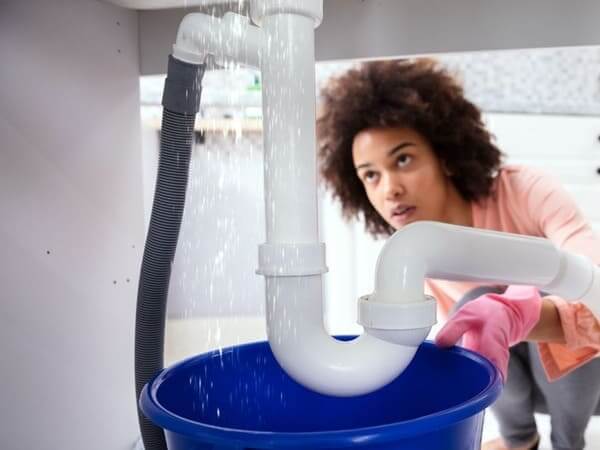
As a homeowner, you do your best to take care of your home. But most of a home’s infrastructure is hidden. And unless you were there when the house was built, it isn’t easy to locate water lines, gas lines, and where the drains go.
Our plumbers wanted to share a comprehensive guide to leaking pipes, informing you about their causes, prevention, and solutions.
One of the most difficult issues to figure out is leaks. Water tends to flow downhill, so you’ll most likely notice an issue below the most highly used place in your home – the bathroom. But gas lines, water supply lines, and water heaters can all be tricky to figure out exactly what’s going on.
Understanding the types of plumbing connections in your home can help you determine where the problem is coming from or the root cause. This article will walk you through the most common problems and solutions related to leaking pipes.
Spotting a leaking pipe early can save homeowners from turning a minor inconvenience into a major headache. Even a slow drip under the sink or behind the toilet can quickly escalate, causing water damage, mold growth, and ultimately, costly repairs.
To catch leaks before they get worse, keep an eye out for telltale signs like damp spots, musty odors, or unexplained increases in your water bill. Listen for unusual sounds, such as dripping or hissing, which may indicate a hidden leak. Regularly inspect pipe joints, connections, and fittings for corrosion, grease buildup, or mineral deposits—these are common trouble spots where leaks can start. If you’re unsure about the source or extent of a leak, a professional plumber can provide expert leak detection and assess potential issues throughout your plumbing system. By staying vigilant and understanding your home’s water pressure and plumbing layout, you can take proactive steps to prevent leaks and avoid costly repairs down the line.
Not all plumbing issues are related to the copper or plastic pipes in your home. Refrigerators, freezers, washing machines, and dishwashers come with rubber seals in strategic places. The more you use the appliance, and as it ages, ongoing wear can cause the seal to degrade—either deforming, coming unglued, or even breaking. If you notice water pooling or condensation on the outside of an appliance, it could be the air or watertight seal that has failed.
Clogs are one of those annoying issues that can be recurring or can be disastrous, resulting in a broken pipe. That’s because the clog creates pressure that needs to find an outlet – either a break or a leak somewhere. Chemicals you can buy at hardware stores that remove clogs can sometimes sit in a pipe and speed up damage to the pipe. The best way to avoid clogs is to do your best to prevent them. Hair traps installed in bathroom sink or tub drains, making sure you flush drains regularly, and paying attention to how the water drains can help. Additionally, avoid disposing of inappropriate waste, such as non-flushable items and hazardous substances, down the drain to prevent clogs and leaks.
Copper can be decorative when it develops a nice patina on the outside, but if it pertains to your plumbing system – beware. As your plumbing system ages, all the things that flow inside those pipes can lead to corrosion, and eventually a hole for water to leak through. If your home is old, it may be time to replace the pipes with new ones and fix routing issues that may have been there from the start. Look for old lead, galvanized or copper piping and connections that just don’t look good. Older metal pipes, such as galvanized steel or iron, are especially vulnerable to corrosion and leaks over time. Don’t forget that the quality of your water can also speed up corrosion. It’s best to fix everything at once.
Plumbing systems, while seemingly simple, are scientifically based – like baking a cake. Mix up just one of the ingredients, and your hard work goes to pieces. The same is true for plumbing because water is made to flow against gravity. Either to your 2nd-floor bathroom or from your sump pump to ground level outside. If you suspect that your plumbing wasn’t professionally done or isn’t routed correctly, contact a licensed plumber right away.
Because water is redirected to flow up and around corners and under joists, joints and corners can experience significant pressure. Over time, pressure and temperature fluctuations put strain on pipe joints, leading to their deterioration and increasing the risk of leaks.
PRO TIP: If your pipes are making a ticking or banging noise (especially when running hot water), chances are you’ve got joint issues.
Some of your home’s most important systems, the drain system and water supply, are underground. While safe from the lawnmower, the earth can be harsh on underground pipes. The growth of tree roots, flooding, sink holes and even vibrations can shift the placement of your pipes. As the ground moves, your pipes can twist, bend, crack or separate altogether – causing underground leaks. If you notice slow draining or problems with your water supply, underground movements could be the issue.
PRO TIP: When buying a home, have a plumber come and do a camera inspection. And if you’ve been living there a while, a camera inspection can tell the store before any digging has to be done.
A strong blast of hot water feels great in the shower, but at what cost to your pipes? Remember that water is made to flow against gravity. Imagine living in a high-rise condo or apartment building. Some commercial buildings and homes have installed a pressure booster pump. Some older homes have hot water boiler systems that are under pressure as well. It’s important to keep your home’s water pressure within a safe range to prevent leaks and avoid unnecessary strain on your plumbing. If you are noticing leaks and suspect a pressure issue, call a plumber.
While pretty and useful for shade in the summer, many older homes with mature trees have planted them improperly or too close to the house or didn’t accommodate for water lines. Because trees are living and need water, they will grow and stretch to find the most water they can. And, they’re not picky whether it’s supply water or sewer water. If you notice any wet patches of yard, sinkholes, a sudden drop in water pressure, or have trees growing very close to your home, it’s wise to have a plumber check and do a camera inspection for root infiltration.
Sometimes, stuff just comes loose.
One of the most common areas is your washing machine or dishwasher. During the spin or fill cycles or drain cycles, water can drop, drop, drop or even spray out if the connection is loose enough. A pair of channel-lock pliers or a wrench can tighten those connections. Just be careful not to over-tighten, as the seals inside may get pinched and will leak no matter how tight you have them.
The longer people live in their homes, the more likely they’ll upgrade their existing fixtures to new ones, but they don’t always replace the stop valves or plumbing pipes. Over time, tightening or untightening these connections or even just the vibrations from the kids running up the stairs umpteen times a day can cause connections to loosen. Sometimes a repair can crimp a seal or cause a slight crack that is unseen. If you notice leaking from a faucet, fixing it is probably the best option, and you should also check faucets for cracks and leaks to ensure there are no hidden issues.
When it comes to repairing a leaking pipe, acting quickly is key to preventing further water damage and mold growth. The first step is to shut off the water supply to the specific fixture or, if necessary, the entire home, to stop the flow and limit the extent of the damage. For minor leaks, homeowners can often use basic tools like wrenches or pliers to tighten loose fittings or replace worn washers. However, if the leak is more severe or involves damaged pipes or connections, it’s best to call a professional plumber.
An expert ensures that the repair is a permanent solution, not just a temporary fix. A professional plumber can replace damaged pipes, fittings, or connections, and check for any underlying issues that could cause future leaks. By addressing leaks promptly and thoroughly, homeowners can prevent costly repairs, reduce the risk of mold growth, and maintain a safe, healthy home.
Dealing with the aftermath of a leaking pipe can be daunting, especially if water damage has spread to walls, ceilings, or floors. Sometimes, accessing the damaged pipe means cutting into drywall or ceilings, which can add to repair costs and disruption.
To minimize the impact, it’s crucial to act fast—shut off the water supply to prevent further damage and call a professional plumber to assess the extent of the problem. A plumber can help develop a plan for repair and restoration, ensuring that all damaged areas are properly fixed and that mold growth is prevented. Homeowners should also take steps to dry out affected areas by increasing ventilation, using fans, and reducing moisture to stop mold from taking hold.
Regular plumbing maintenance and inspections can help identify potential issues before they escalate, saving time, money, and stress. By responding quickly and relying on professional expertise, homeowners can ensure their home remains safe, dry, and free from the long-term consequences of leaking pipes.
It’s important to pay attention to the way your plumbing performs. The presence of any of the circumstances above can indicate a leak, which can lead to more serious water damage down the road. If you’ve noticed your water bill increasing, a musty or egg smell around a drain, a decrease in water flow, or other warning signs, our experienced field technicians at Rocket Plumbing are available to get you flowing smoothly again. Trust our professional team to provide expert solutions and reliable service for all your plumbing needs.
We’re local, fast, and ready to help. Schedule now and save.