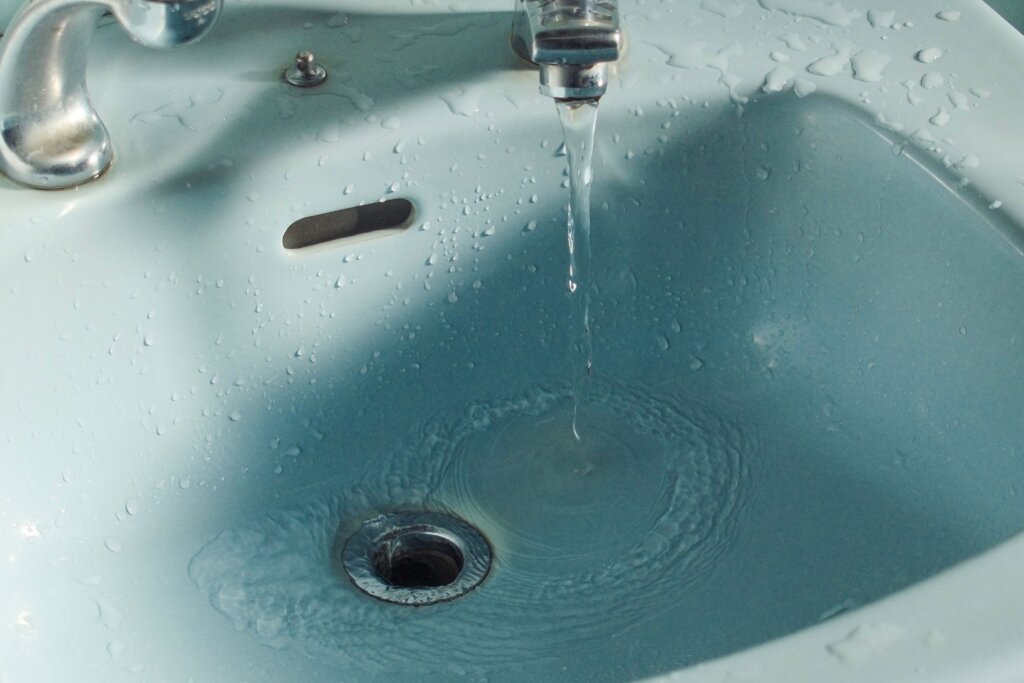
A slow drain feels like a minor annoyance. The sink takes an extra thirty seconds to empty, the shower pools around your feet, and life goes on. It’s easy to tell yourself you’ll deal with it later.
But “later” has a cost. A slow drain is usually the first sign of a blockage building inside your pipes, and if you ignore it, that blockage doesn’t stay put. Here’s what actually happens if you let a slow drain in your Chicago home go unaddressed, stage by stage.
A few local factors make this problem more common and faster to escalate:
These factors work slowly, which is exactly why the early warning sign, a slow drain, is so easy to dismiss. And since slow drains feel like such a “nothing” problem, most people tend to ignore it. Which makes it feel like a slow drain is just something you kinda have to live with, when that shouldn’t be true at all.
A slow drain by itself isn’t dangerous. You don’t need to stop using all water immediately. But it does mean that you need to address the root issue sooner rather than later. Or else the repair (and its associated costs) will be even more of a headache.
This is where most homeowners are when they start Googling. Water still goes down, just slower, usually in one fixture like a kitchen sink or tub.
The cause is typically a partial obstruction: grease, soap scum, hair, or mineral scale clinging to the pipe wall. Water still finds its way through, just less efficiently. This is the cheapest, easiest point to fix it. It’s also the point where almost everyone decides to wait.
If you really want to try your hand at an at-home repair, this is probably the only stage in the process where you can successfully pull it off without professional equipment. You’ll probably have some luck with one of the solutions that we’ve shared in this post.
Left alone, the buildup keeps collecting. You’ll start noticing more than slow drainage:
This is also where DIY fixes start losing their punch. A plunger might buy you a day or two. Chemical cleaners often clear just the top of the clog while leaving residue that damages pipes over time. At this point, you should really call a professional plumber!
Eventually the partial blockage becomes a complete one, and water comes back the way it came, or up through a different fixture entirely.
A main line backup can mean wastewater in your basement, health hazards, and damage to flooring and drywall. It’s also the point where most people finally call a plumber, at the most expensive and disruptive stage to start from. You could save a ton on costs if you call a plumber before you even reach this point.
A blockage that sits long enough can damage the pipe itself, not just clog it:
At this point you’re no longer looking at a drain cleaning appointment. You’re looking at pipe repair, possibly with excavation, and a bill that can climb into five figures.
Original clay and cast iron sewer lines, common in homes built before the 1960s, crack and separate more easily than modern PVC. Once a blockage forms in an older pipe, there’s less margin before it turns into real damage. That’s why a slow drain in an older Chicago home deserves faster attention.
Plungers, store bought snakes, and chemical cleaners can handle a simple, shallow clog. But for the buildup causing an ongoing slow drain, they usually treat the symptom, not the cause. A short cable snake rarely reaches far enough, and chemical cleaners can leave residue that corrodes pipes over time. If the drain slows down again within a few weeks of a DIY fix, the real blockage is still there.
Catching this at the slow drain stage means a routine visit. Waiting for a backup or pipe damage means a bigger job and a bigger bill.
A slow drain is information: your plumbing telling you something is building up. If you’re dealing with one anywhere in your Chicago home, Rocket Plumbing can find the cause and clear it before it becomes a backup or a pipe repair. Schedule a drain cleaning today while it’s still the easy fix.
We’re local, fast, and ready to help. Schedule now and save.